
24 FINDS · MORE BRANDS TO EXPLORE
FSBuy Spreadsheet – Shoes
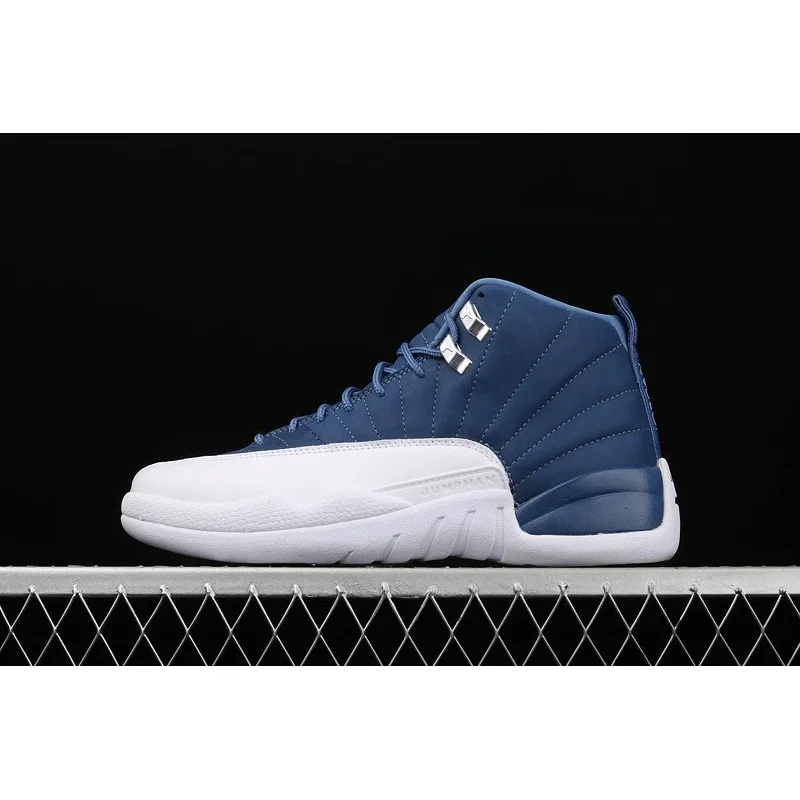
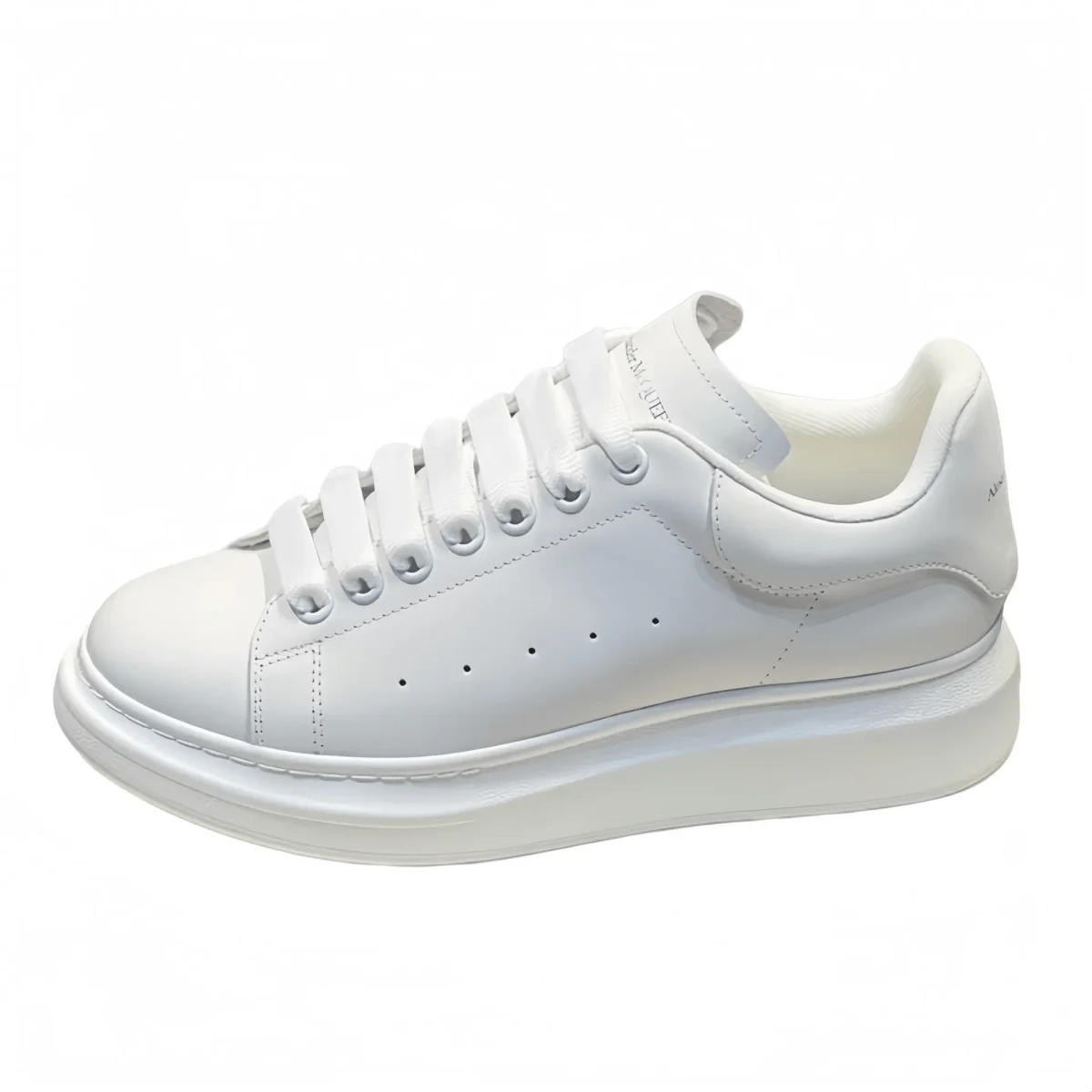
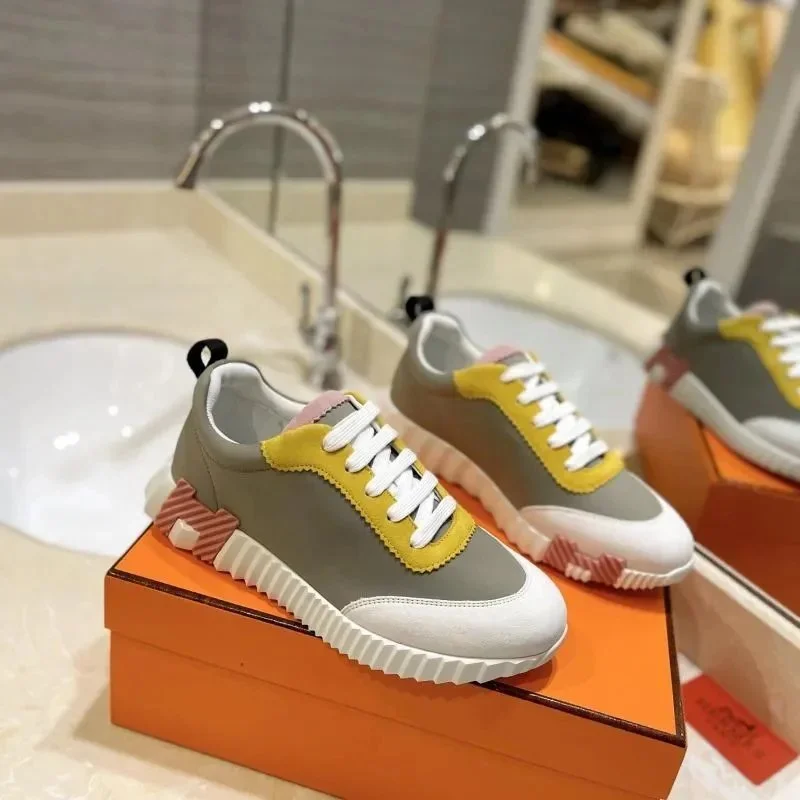
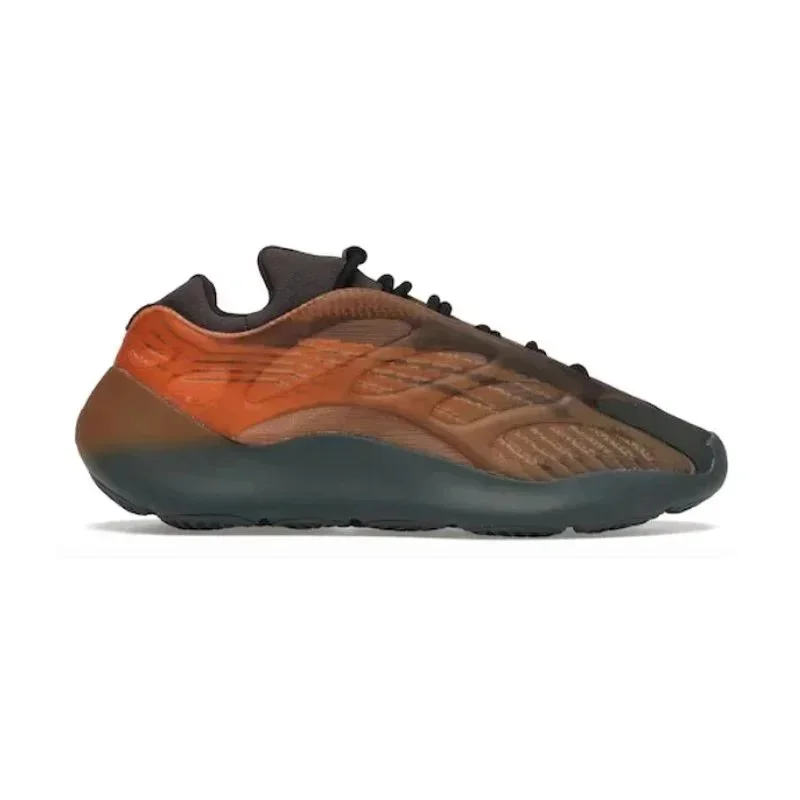
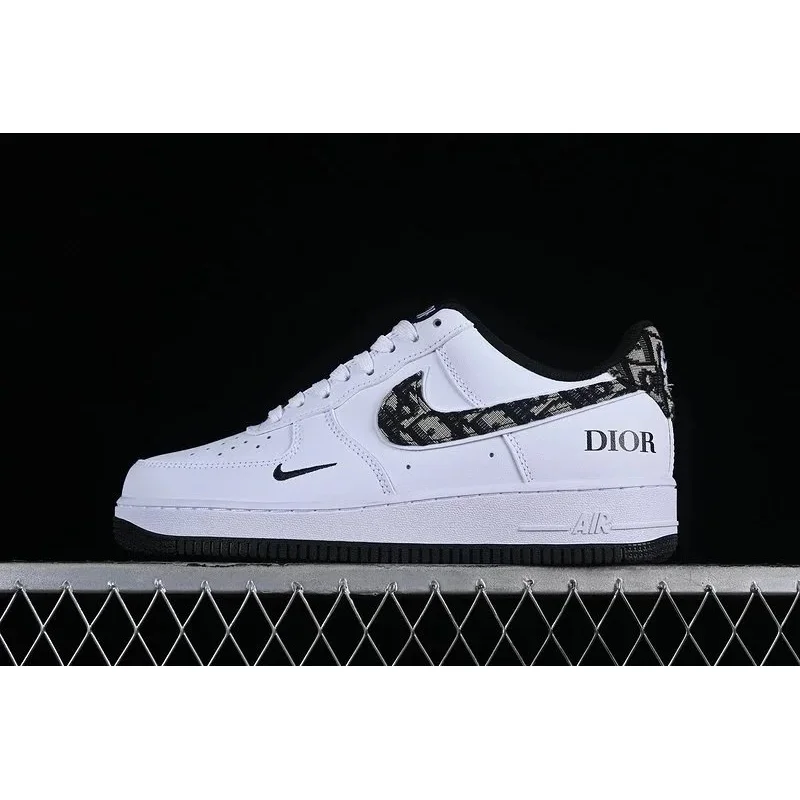
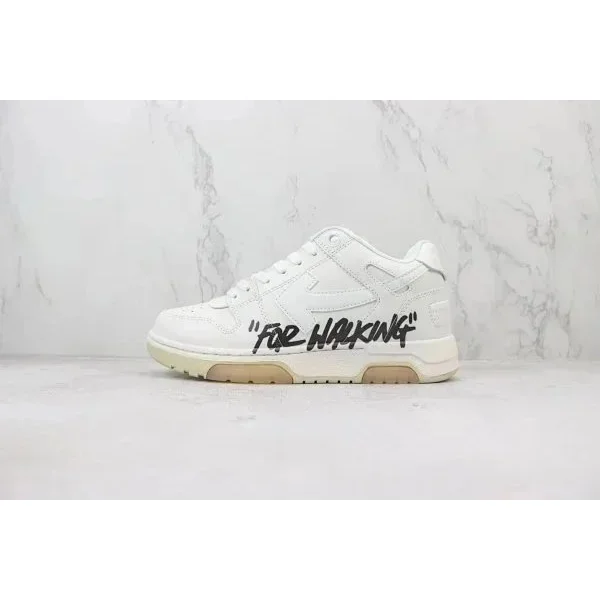
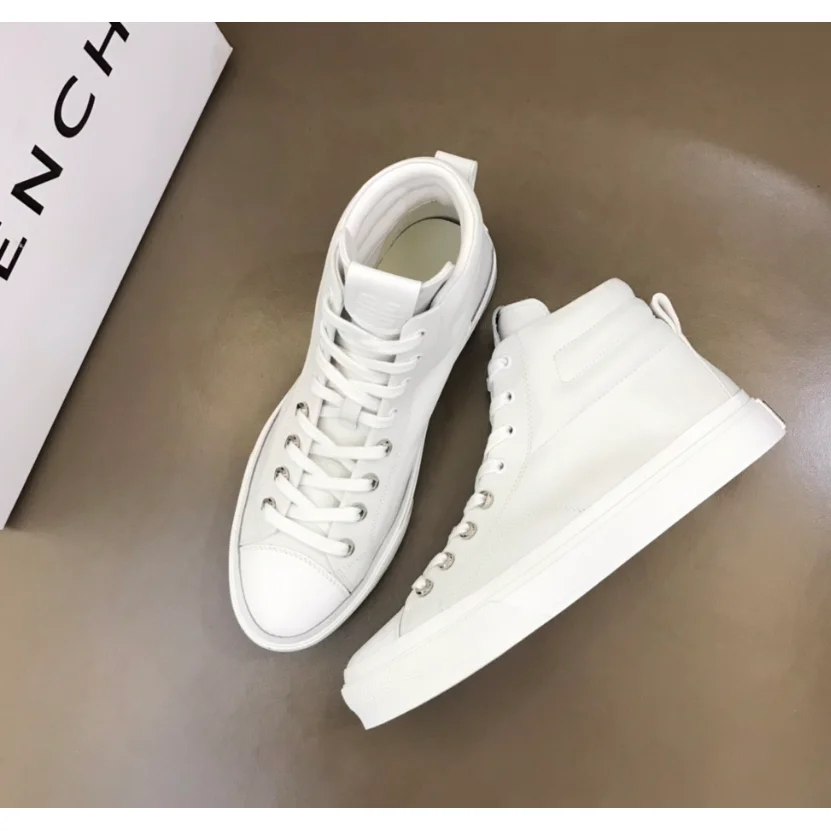
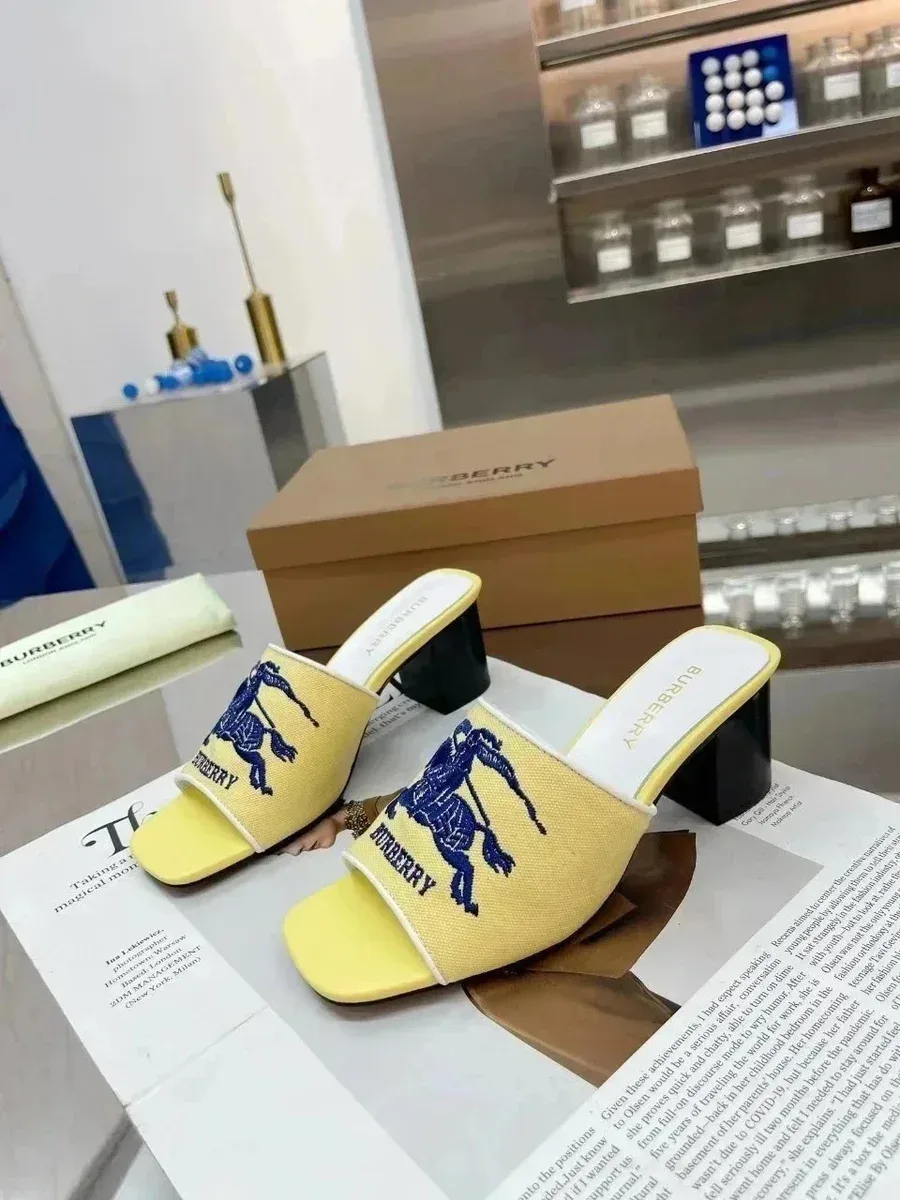
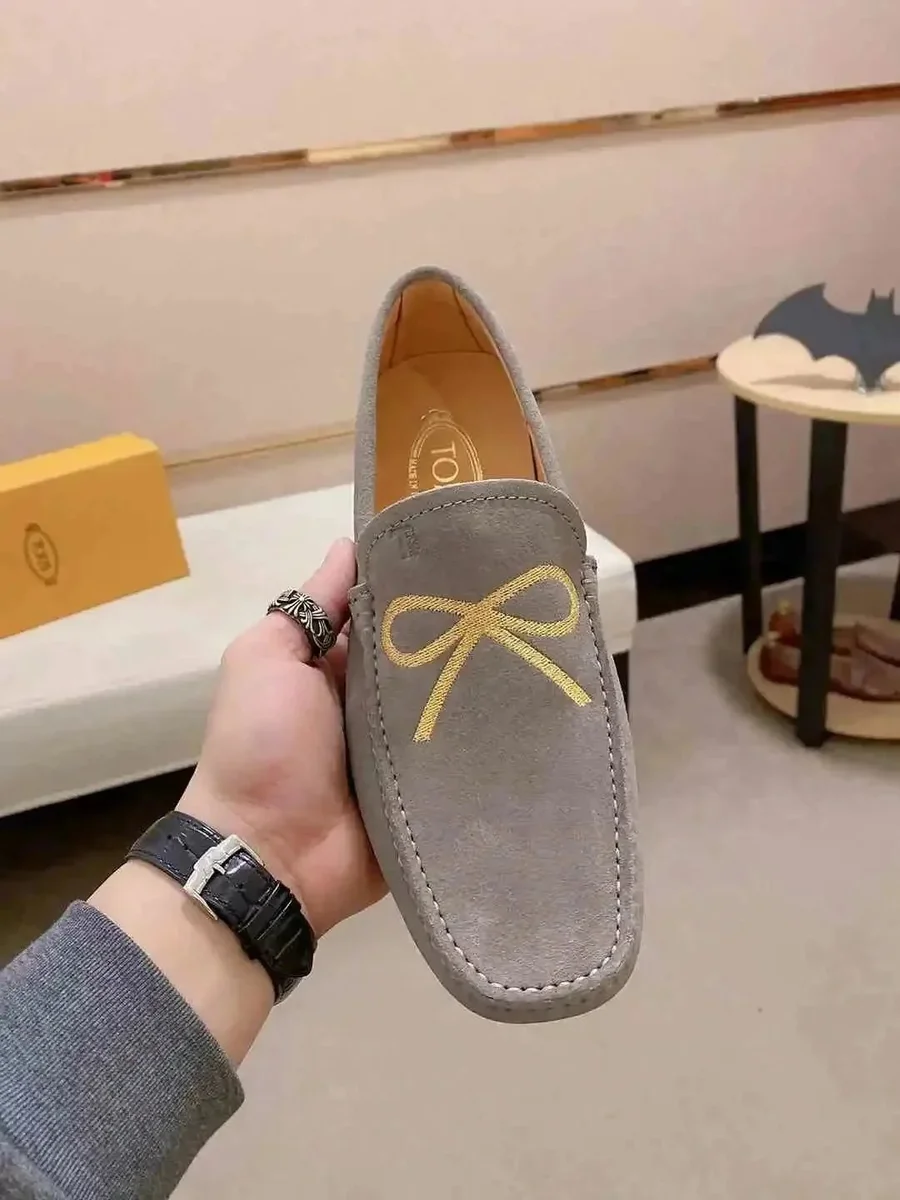
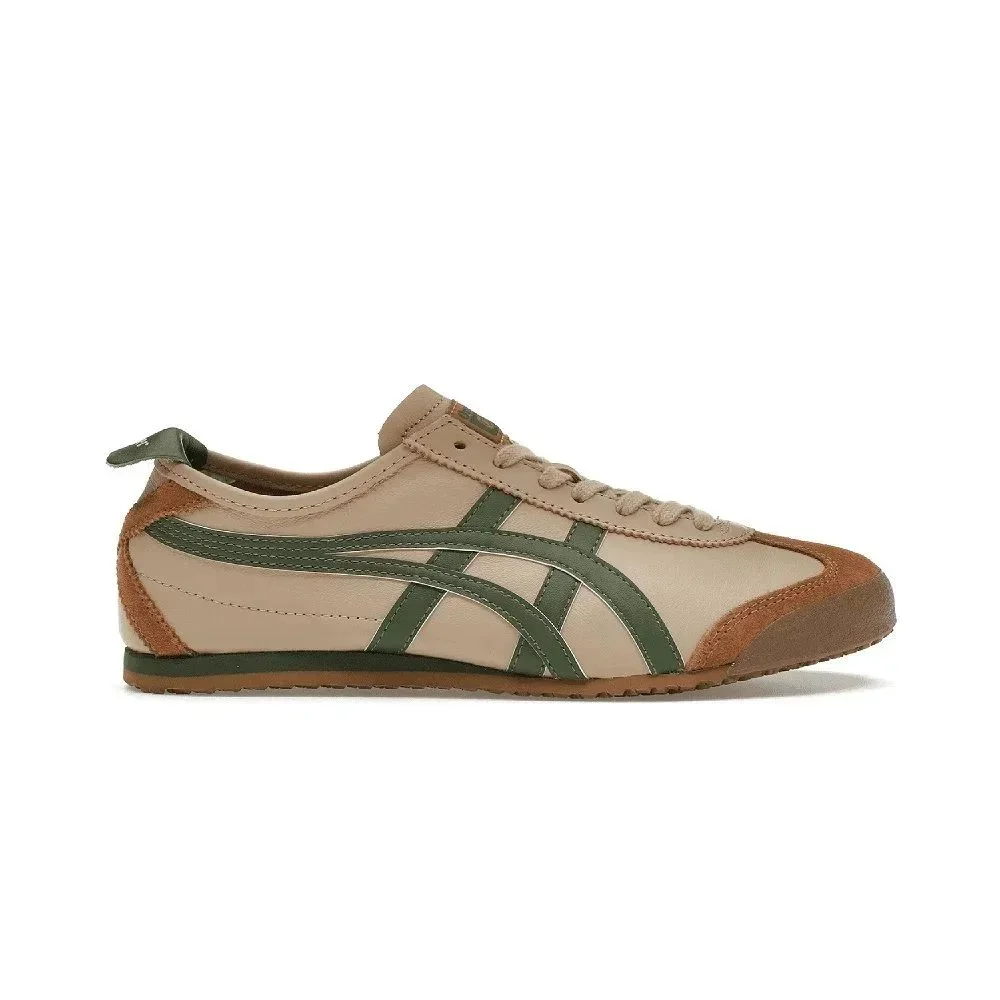
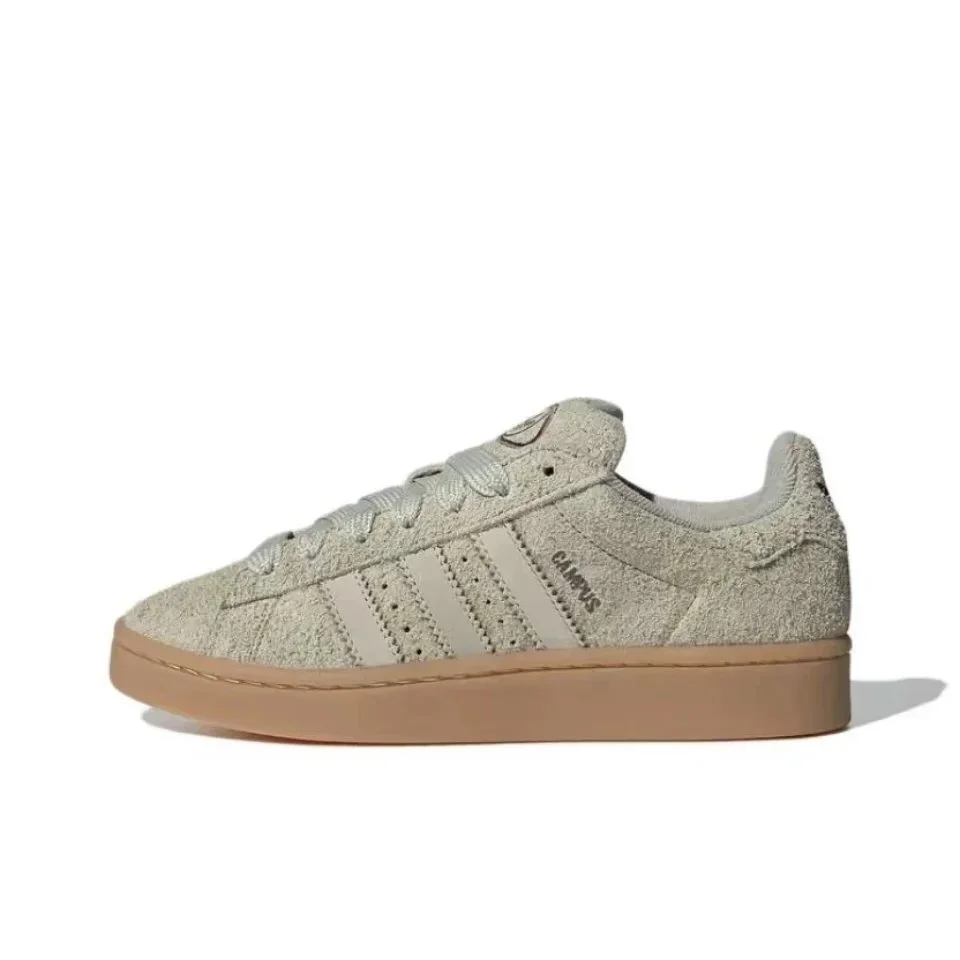
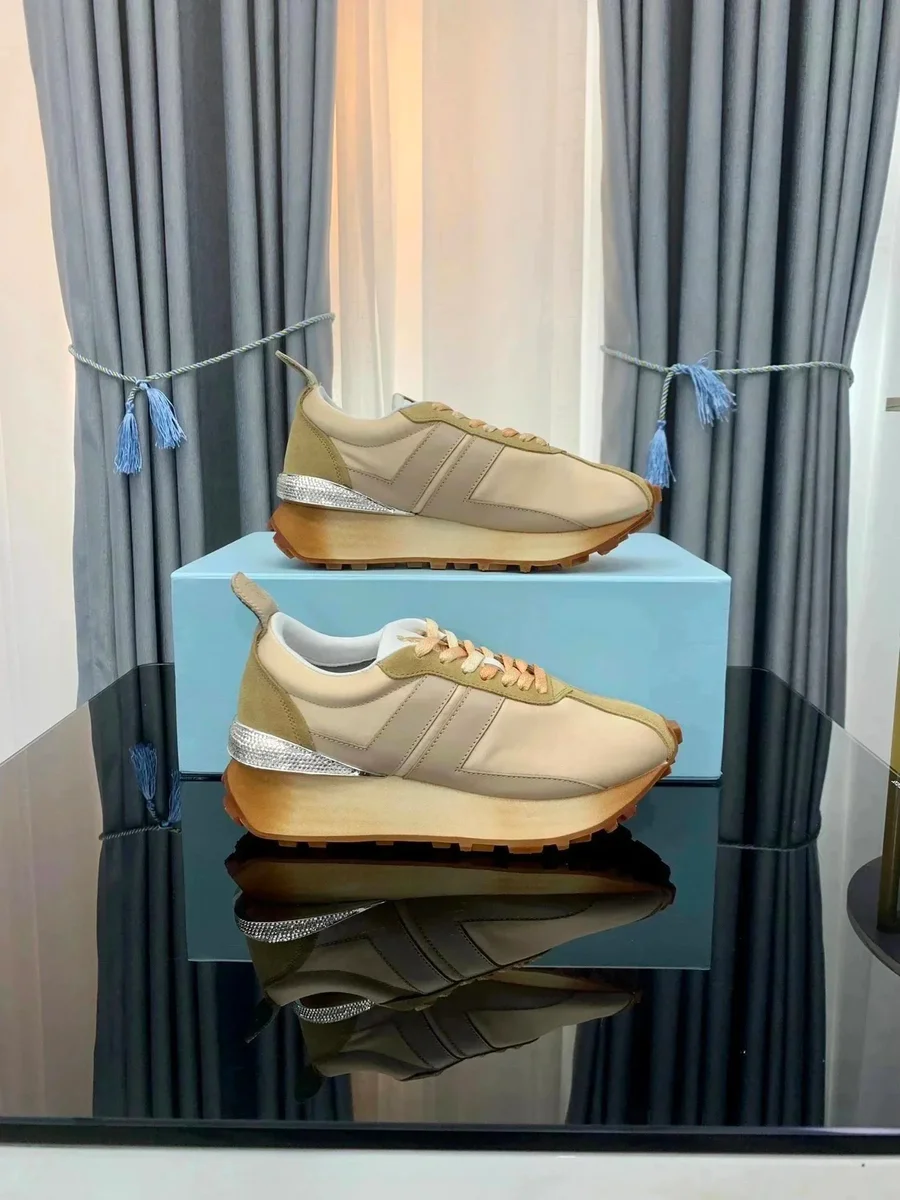
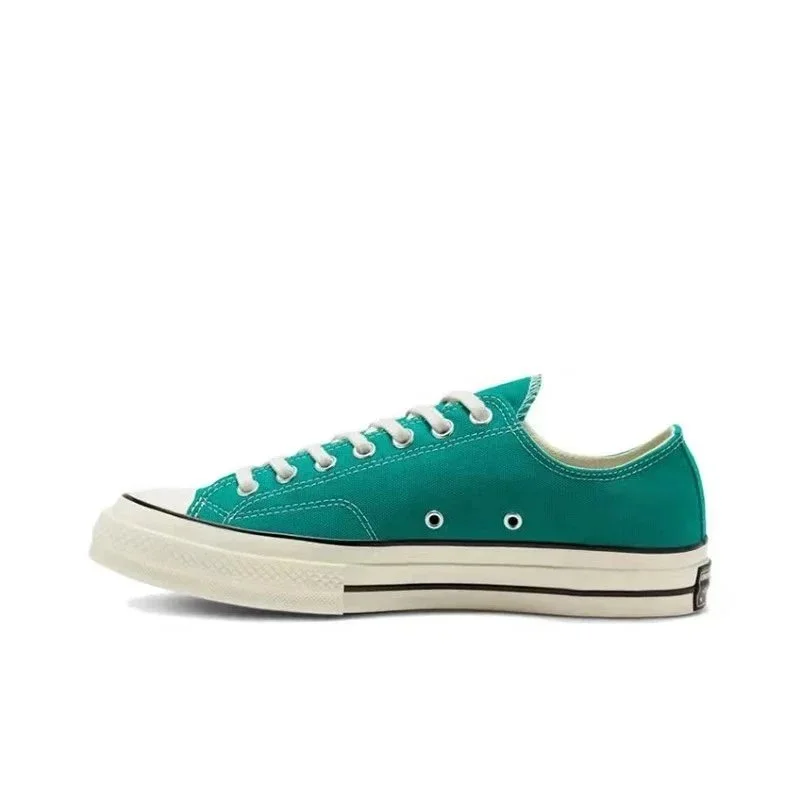
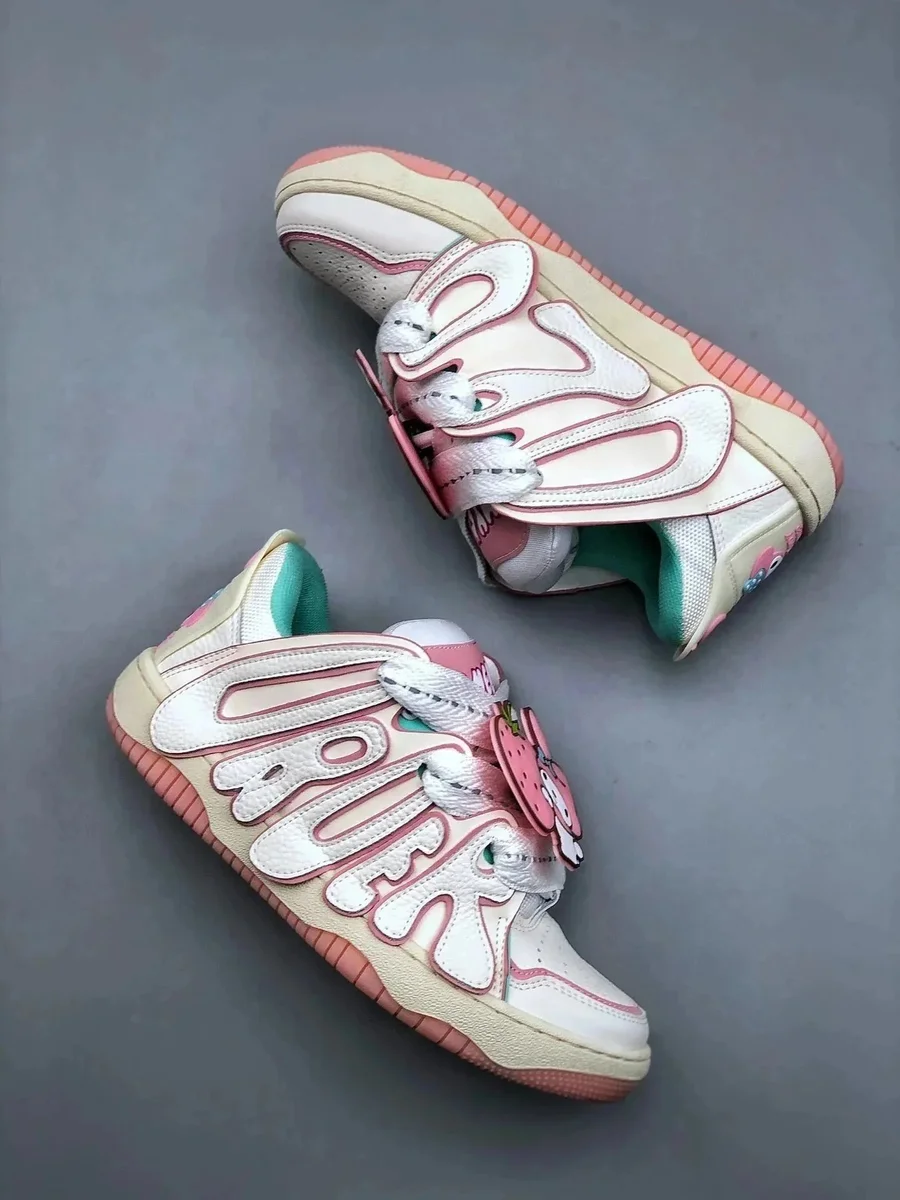
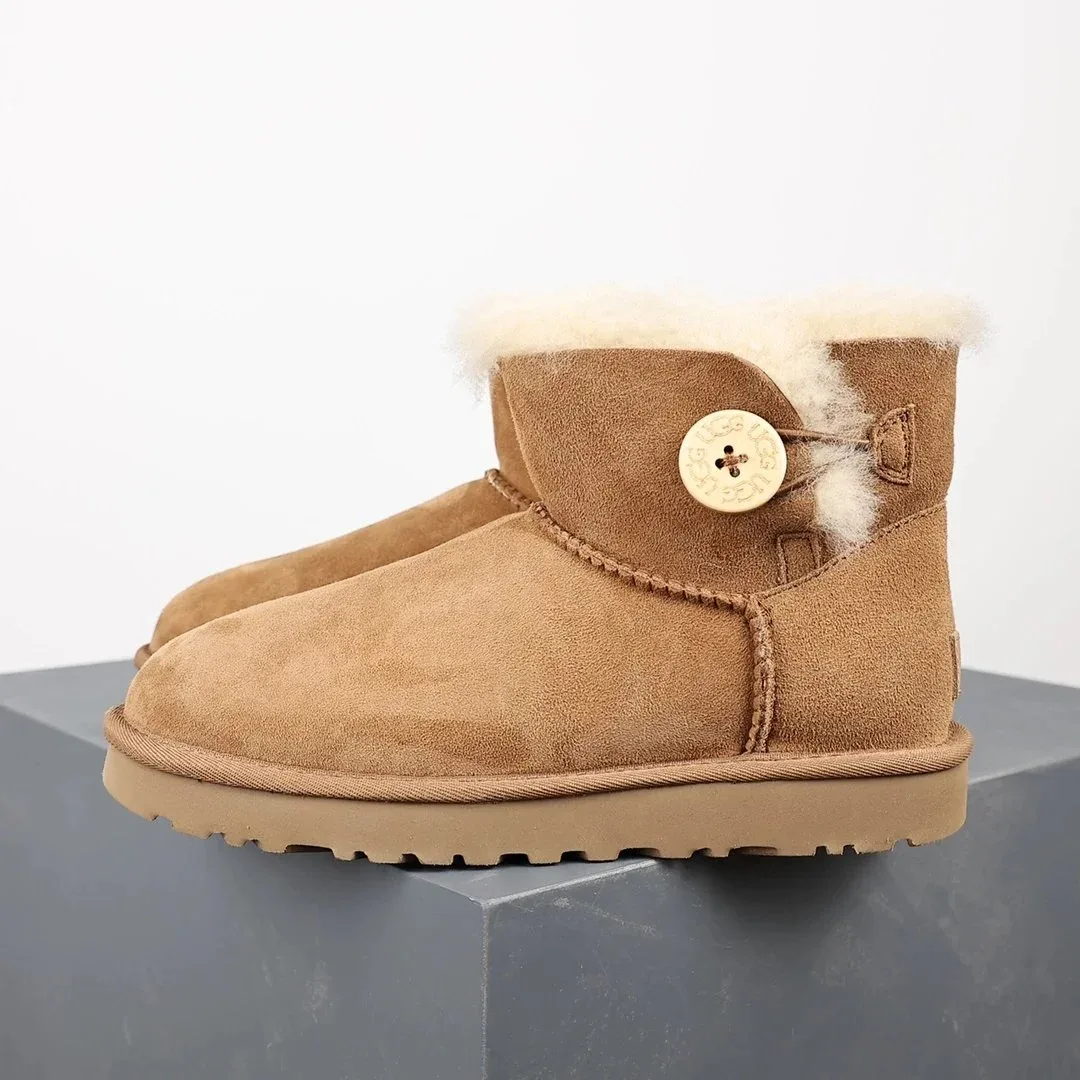
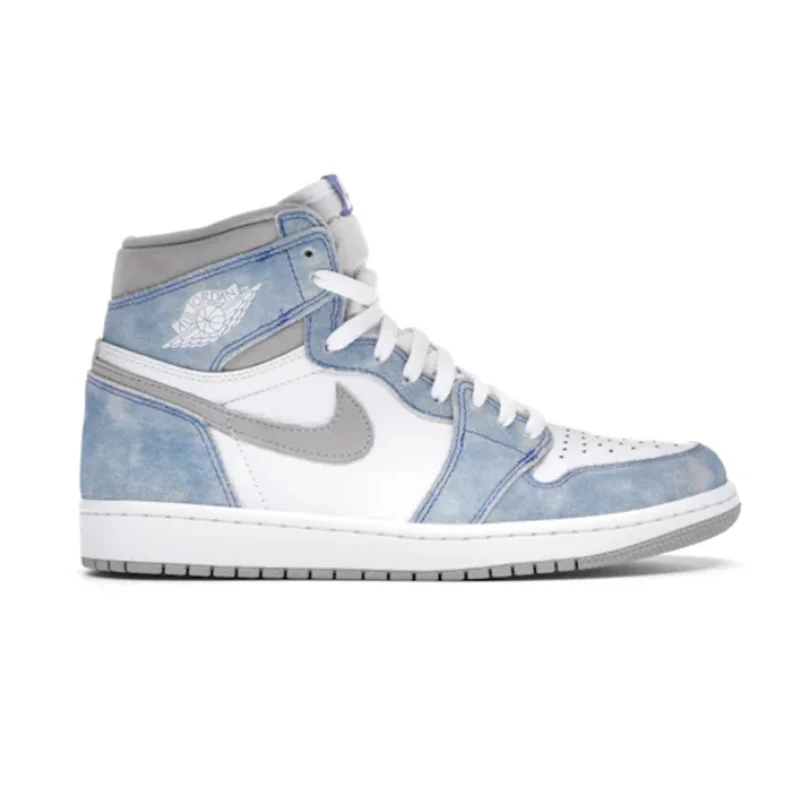
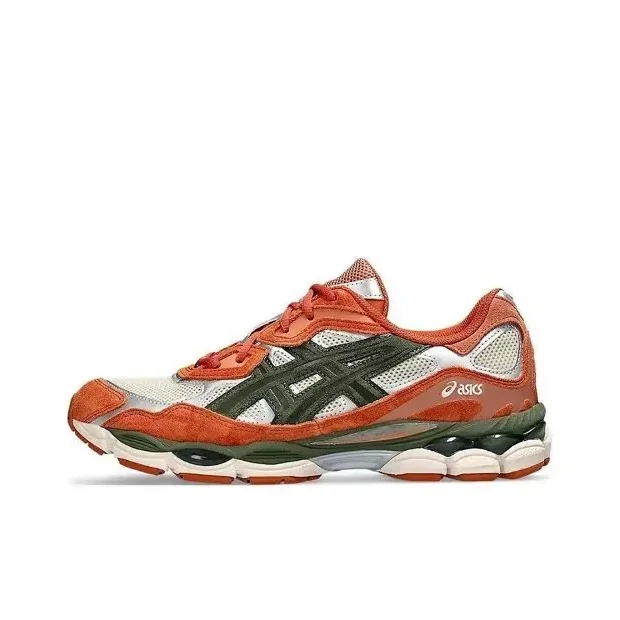
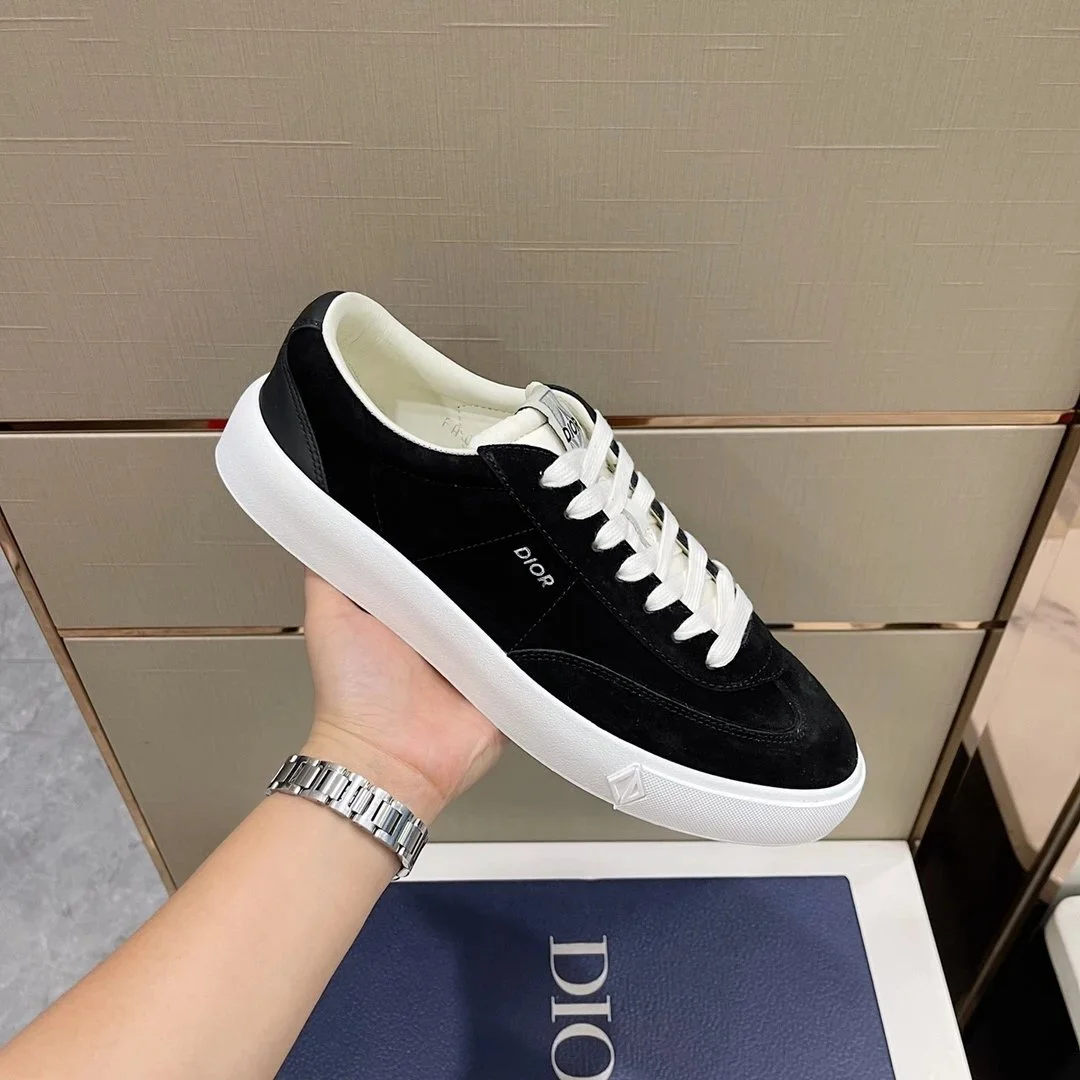
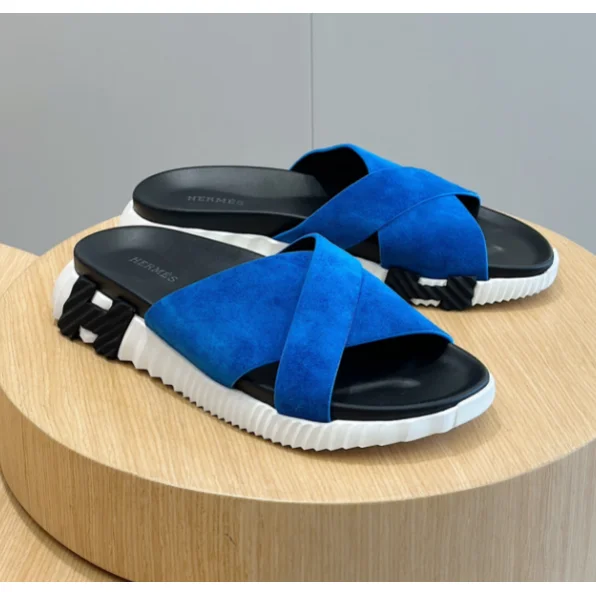
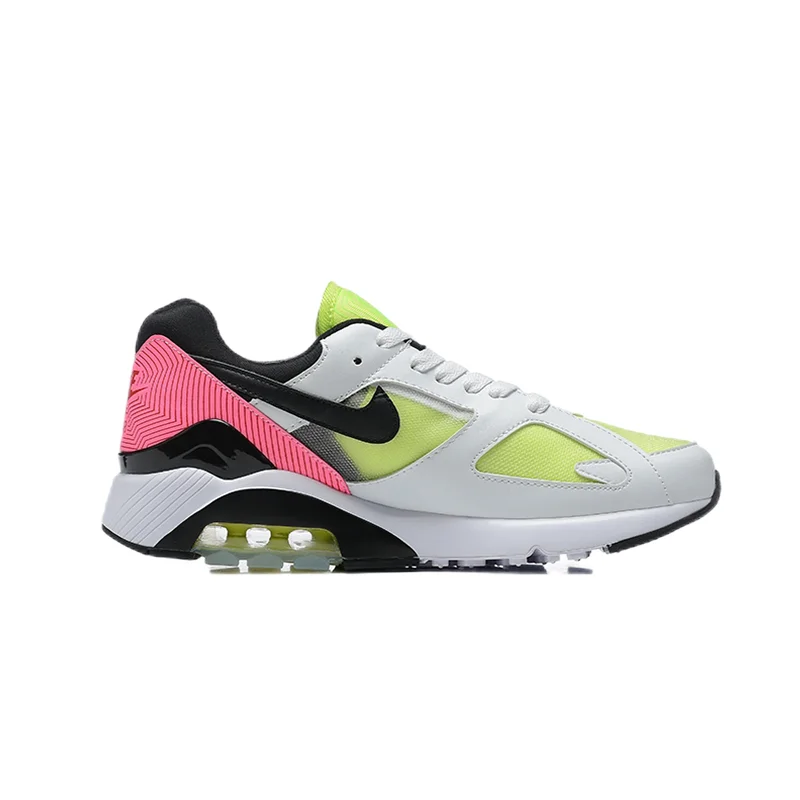
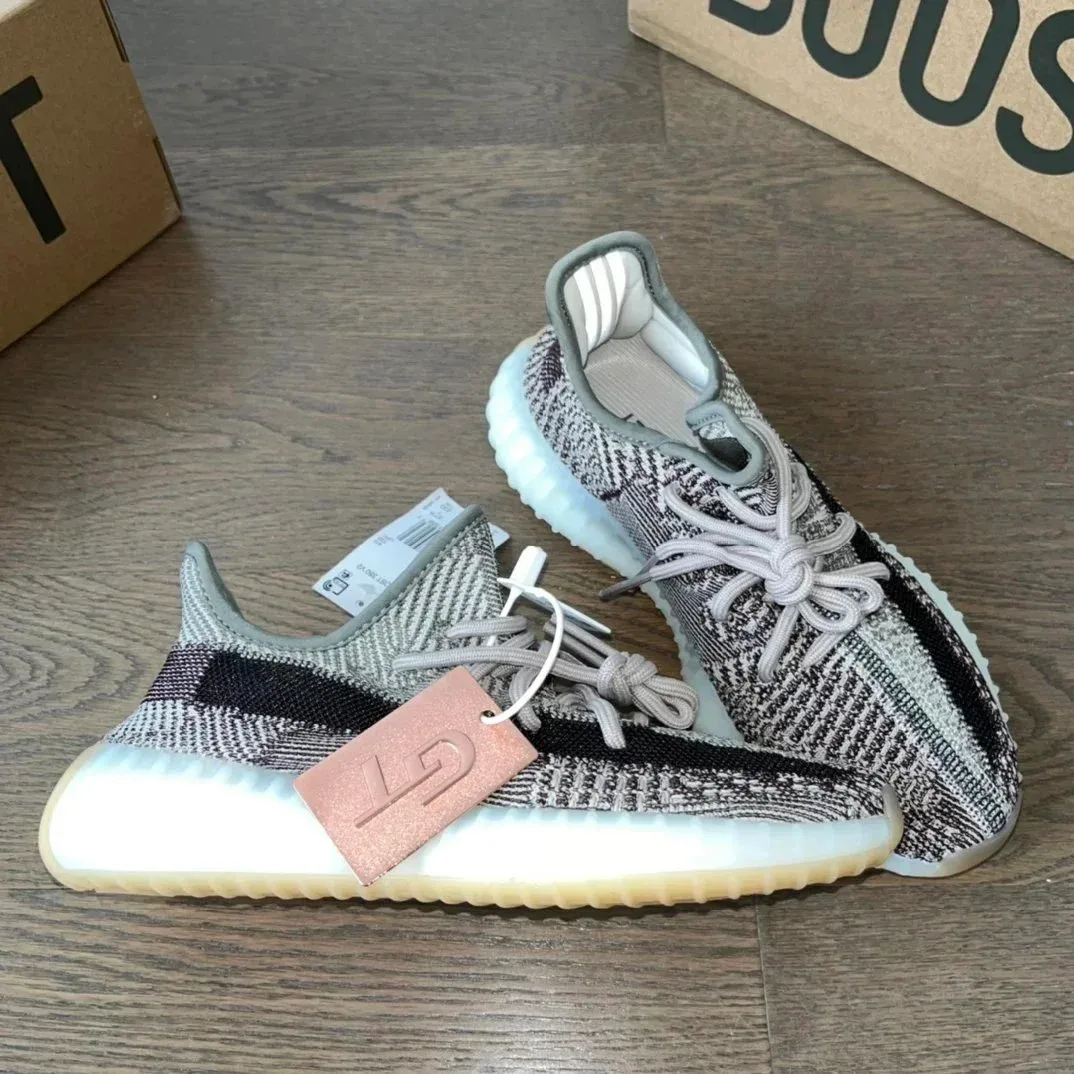
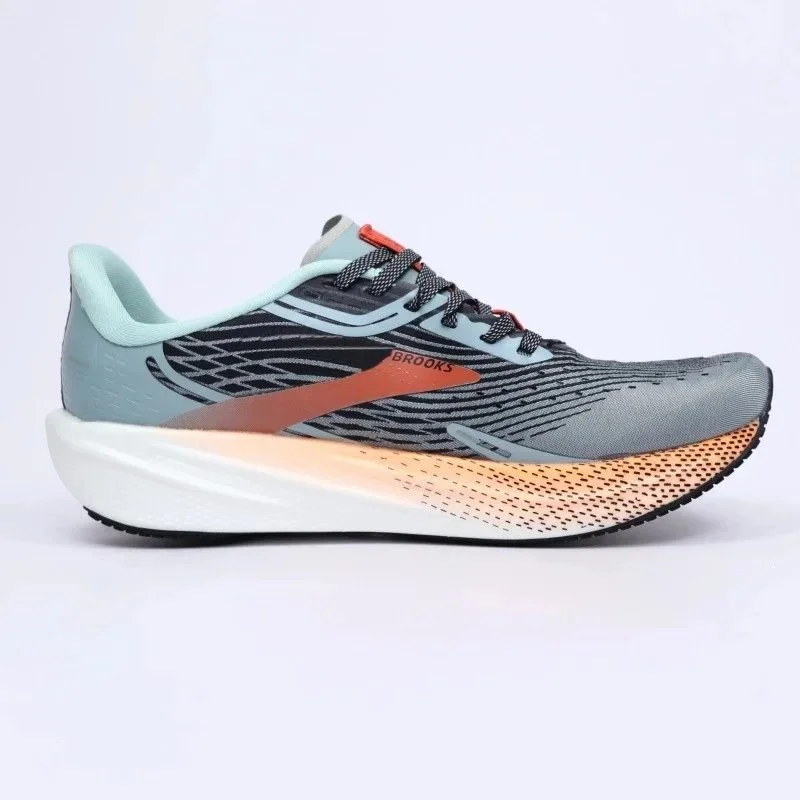
Explore sneakers, boots and everyday pairs from a varied mix of brands. Open a product to compare listed sizes, style options and the available QC photo groups.
EXPLORE THE CATEGORY
24 selected shoes
BUYING GUIDE
How to choose shoes that fit your everyday routine
A useful shortlist starts with where you will wear the pair and how it should fit. Use the product photos to compare shapes, then check the measurements and selected option before deciding.
Start with the shape and purpose
For an everyday pair, compare the toe shape, sole profile and fastening with shoes you already enjoy wearing. A slim loafer, a bulky sneaker and a boot can fit very differently even when their size labels match. Photos help compare the silhouette; they do not establish cushioning or suitability for sport.
Compare length and width separately
Measure both feet while standing and wearing the socks you plan to use. Follow the listing’s measurement method and use the larger foot as your starting point. Check whether the chart describes foot length, insole length or another measurement before comparing numbers. If width is missing and your feet are wide, ask for it.
Read a complete QC photo group
Use the QC photo-group checklist to inspect the front, side, heel and outsole of the same pair. Compare left and right toe shapes, heel alignment, stitching and visible glue marks. Lighting can change colour, so compare several views. A different pair’s QC photos are a reference for visible details and cannot confirm the condition of your own order.
Plan for the box and delivery
Check whether the listed weight includes the shoe box and whether packaging can be changed. Keep item price, parcel weight and shipping estimate separate when comparing two pairs. Before removing a box to save space, consider whether you need it for storage or as part of a gift.
Common questions about shoes
Should I choose my usual EU, UK or US size?
Use your usual size as a starting point, then compare the exact listing’s chart. Size conversions and fit can differ between models. Do not automatically size up or down without measurements or relevant fit information.
Can I use parcel dimensions to judge shoe size?
No. Parcel measurements describe the packed shipment. They cannot tell you the internal length, width or fit of the shoes. Look for the product’s own size chart or request a measurement.
What should I do if I am between sizes?
Compare the chart with both your foot measurements and a comfortable pair. Consider sock thickness, width and the intended fit, then check exchange conditions before choosing. A longer shoe will not necessarily solve a width problem.
Before choosing your shoes
- Compare foot length and the seller’s size chart. US, UK and EU size labels can vary between listings.
- Inspect the toe shape, heel, stitching and outsole in the same QC group.
- Check whether the reference weight includes a shoe box before estimating shipping.
Prices are item references and exclude shipping and fees. Size and stock information is a snapshot. Check the exact style and current options before purchasing.